Preventing Fleas and Ticks in Macomb Pets This July

Preventing Fleas and Ticks in Macomb Pets This July
As July brings warm afternoons and gentle breezes to Macomb, pet owners know that summer adventures with their dogs and cats also mean an increased risk of fleas and ticks. These tiny pests thrive in Michigan’s summer weather, making local parks, backyards, and even neighborhood walks potential hotspots for troublesome infestations. At Pets Ahoy Animal Hospital, our experienced veterinary team understands how distressing flea and tick problems can be for both pets and their families. In this article, we’ll guide you through the risks these parasites pose, how to recognize the earliest signs, what causes infestations in our region, and most importantly, how you can keep your pet safe and comfortable all summer long. We’ll also explain how our flea prevention and treatment services help local pets stay itch-free, healthy, and happy in Macomb and surrounding communities.
Whether you’re a first-time pet owner or have shared years with your furry companion, understanding flea and tick risks is essential for a safe, enjoyable summer. Read on to discover practical prevention tips, guidance on when to seek veterinary help, and how our team can support your pet’s health throughout flea and tick season.
Recognizing Flea and Tick Problems in Your Pet
Fleas and ticks are more than just a nuisance; they can quickly turn summer fun into a season of discomfort for your dog or cat. Knowing how to spot the early signs can help you act quickly and prevent more serious issues. Common signs of flea infestations include frequent scratching, biting, or licking at the skin, especially around the tail base, belly, and groin. You may notice tiny black specks—often called “flea dirt”—on your pet’s skin or bedding, which are actually flea droppings. In severe cases, pets may develop red, irritated skin, hair loss, or even secondary skin infections.
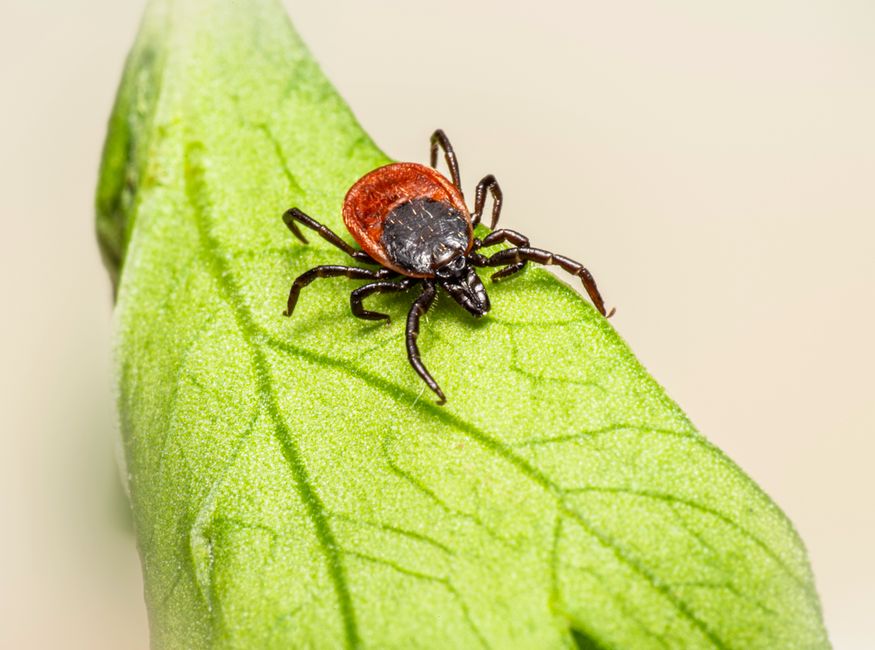
Tick exposure is usually less obvious at first. Ticks attach firmly to the skin and feed on blood, so you might find a small, round lump on your pet, especially after spending time outdoors in grassy or wooded areas. Ticks can be as small as a sesame seed or as large as a pencil eraser. Some pets may not show obvious discomfort, but as ticks feed, they can transmit serious diseases such as Lyme disease or ehrlichiosis. Additional signs such as lethargy, fever, loss of appetite, or sudden lameness may indicate a tick-borne illness and warrant immediate veterinary attention.
If you notice any of these symptoms, a prompt examination by a veterinarian is the best way to confirm the presence of fleas or ticks and to begin safe, effective treatment.
Why Are Fleas and Ticks Such a Problem in Macomb During July?
Macomb’s warm, humid summers create ideal conditions for fleas and ticks to thrive. Fleas multiply rapidly in temperatures between 65 and 80 degrees Fahrenheit, which is typical for July in Michigan. Even a brief trip to a dog park or a shady backyard can expose your pet to fleas looking for a new host. Additionally, wildlife such as squirrels, rabbits, and stray animals can carry fleas into your yard, making preventive care essential even for indoor pets.
Ticks are especially active from late spring through early fall. Tall grasses, brush, and woodpiles are prime tick habitats, and pets that explore these areas are at greater risk. In Macomb and surrounding communities, ticks are common in parks, trails, and even overgrown gardens. Certain tick species found in Michigan can transmit diseases to both pets and humans, which makes vigilance particularly important during the peak summer months.
The combination of local climate, abundant wildlife, and outdoor activity means that flea and tick prevention is not just a seasonal chore—it’s a vital part of caring for your pet’s health and comfort.
Professional Flea and Tick Treatment: What to Expect
If your pet is struggling with fleas or ticks, seeking professional help ensures both the infestation and any underlying health risks are addressed safely. At Pets Ahoy Animal Hospital, our veterinary team begins with a thorough skin and coat examination, often using a fine-toothed comb to check for adult fleas, eggs, or tick attachment sites. If necessary, we may recommend diagnostic tests—such as checking for tick-borne diseases—especially if your pet shows signs of illness.
Treatment approaches involve safe and effective medications tailored to your pet’s species, age, and overall health. Prescription flea preventives and tick control products are much more reliable than over-the-counter options, and our veterinarians can help you select the best form—whether topical, oral, or collar-based—for your dog or cat’s lifestyle. In cases of severe infestations, additional steps such as medicated baths or environmental treatments may be recommended to break the flea life cycle.
It’s important to treat all pets in the household, even those not showing symptoms, since fleas and ticks can move easily between animals. Our team is always available to answer your questions about product safety, application techniques, and what to expect during the recovery process. For more information on our comprehensive approach, explore our flea prevention and treatment services or schedule an appointment to discuss your pet’s specific needs.
Preventing Fleas and Ticks at Home: Tips for a Safe Summer
Keeping your pet protected from fleas and ticks is much easier than treating an active infestation. Prevention starts with using a veterinarian-recommended flea and tick preventive year-round, not just during the summer. Even indoor pets are at risk, as fleas and ticks can hitch a ride inside on clothing, shoes, or other pets.
Regularly inspect your pet’s coat, especially after outdoor adventures, by running your hands along their body and checking for lumps, bumps, or small moving insects. Brushing your dog or cat frequently helps you spot problems early and keeps their skin healthy. Washing pet bedding and vacuuming carpets, furniture, and car interiors at least weekly can remove eggs and larvae before they become a larger problem.
Maintaining your yard is also important. Keep grass trimmed short, remove leaf litter, and clear brush or woodpiles where ticks may hide. If you notice wildlife in your yard, take steps to discourage them from lingering, as they often carry fleas and ticks.
Choosing the right preventive product can be overwhelming. Our team can help you select safe, effective options based on your pet’s health, lifestyle, and risk factors. For a proactive approach to your pet’s health, consider enrolling in a routine preventive care program that includes flea and tick prevention as part of a comprehensive health plan.
When Should You Contact a Veterinarian?
While some minor flea or tick exposures can be managed at home with guidance, certain situations require prompt veterinary attention. If you see live fleas or ticks on your pet and over-the-counter products are not effective within a few days, it’s time to schedule an appointment. Severe itching, open sores, hair loss, or signs of infection—such as redness, swelling, or pus—should always be evaluated by a veterinarian.
If your pet develops sudden lethargy, fever, lameness, pale gums, or loss of appetite after a tick bite, these may be early signs of a tick-borne illness. Quick diagnosis and treatment are crucial for the best outcome. Puppies, kittens, senior pets, and animals with chronic health conditions can be especially vulnerable to the effects of parasites and may require more frequent monitoring.
Remember, not all flea and tick products are safe for every pet. Cats are particularly sensitive to certain ingredients found in dog products, and using the wrong medication can cause serious reactions. Always consult with a veterinary professional before starting new medications and never share products between pets without guidance.
For any concerns about flea or tick prevention, or if you’re unsure which products are right for your pet, our veterinary team in Macomb is here to help you make informed decisions for your dog or cat’s well-being.
Keeping Macomb Pets Safe: Our Commitment to Your Pet’s Health
Fleas and ticks are a common challenge during Michigan’s summer months, but with the right knowledge and proactive care, you can protect your pet from discomfort and disease. By recognizing early warning signs, understanding how local conditions contribute to infestations, and partnering with an experienced veterinary team, you’ll ensure your dog or cat can enjoy a safe, itch-free July.
At Pets Ahoy Animal Hospital, we believe prevention is the best medicine. Our veterinarians offer personalized advice, effective product recommendations, and ongoing support to keep your pet healthy throughout flea and tick season. If you’re searching for a veterinarian near me or need guidance on the best flea and tick prevention for your pet, reach out to our team today. You can schedule an appointment by calling (586) 248-2515 or by visiting our hospital at 21856 23 Mile Rd, Macomb, MI 48042. Explore our preventive services to discover how we can help your pet stay happy, active, and protected this summer.
If you have questions or notice signs of fleas or ticks, don’t wait—contact our veterinary team for expert guidance and compassionate care. Together, we’ll help your pet enjoy every moment of Michigan’s beautiful July, free from the worries of fleas and ticks.