Protecting Pets From August Thunderstorms in Macomb

Protecting Pets From August Thunderstorms in Macomb
When August rolls into Macomb, so do the powerful thunderstorms that can cause real distress for many local dogs and cats. If your pet hides under the bed, paces, or trembles at the first rumble of thunder, you’re not alone. Thunderstorm season can be challenging for both pets and their owners, leading to anxious evenings and sleepless nights. At Pets Ahoy Animal Hospital, located at 21856 23 Mile Rd, Macomb, MI 48042, we understand how important it is to keep your pets calm, safe, and comfortable during severe weather. In this guide, you’ll discover how to recognize the signs of thunderstorm anxiety, why these storms affect pets, what you can do at home, and when it’s time to seek veterinary help. We’ll also explain how our veterinary team can support your pet’s emotional well-being, whether you need advice, a behavioral consultation, or emergency assistance. Let’s work together to make storm season less stressful for everyone in your household.
Recognizing Thunderstorm Anxiety in Pets
Many pet owners notice subtle or dramatic changes in their dog or cat’s behavior during summer storms. Thunderstorm anxiety is common, but the signs can vary from one pet to another. Dogs may begin to pant, pace restlessly, cling to their owners, vocalize, or try to hide in closets or under furniture. Some dogs even attempt to escape the house, which can put them at risk of injury or getting lost. Cats, on the other hand, might become withdrawn, hide in hard-to-reach places, or show sudden changes in litter box habits. Other symptoms can include drooling, destructive chewing or scratching, and even loss of appetite. If you observe your pet shaking, barking or meowing excessively, or acting out of character during storms, thunderstorm anxiety could be the cause. Being able to spot these signs early on is the first step in helping your pet cope with their fears.
Why Thunderstorms Trigger Pet Anxiety
Thunderstorm anxiety is more than just a reaction to loud noises; it’s a complex response that involves several triggers. The obvious culprit is the sound of thunder, but flashes of lightning, changes in barometric pressure, and even the scent of rain can all contribute to your pet’s unease. Some pets are particularly sensitive to static electricity, which can build up in their fur during a storm and cause discomfort or mild shocks. Dogs and cats have much sharper hearing than humans, so the booming thunder and high-frequency noises may be overwhelming. Additionally, pets can sense their owner’s stress or changes in household routine, which can add to their own anxiety. Breed, genetics, early life experiences, and previous traumatic events can also play a role in how dogs and cats respond to storms. Understanding these factors helps tailor the right approach to managing your pet’s storm-related stress.
How Veterinary Care Can Help With Storm Anxiety
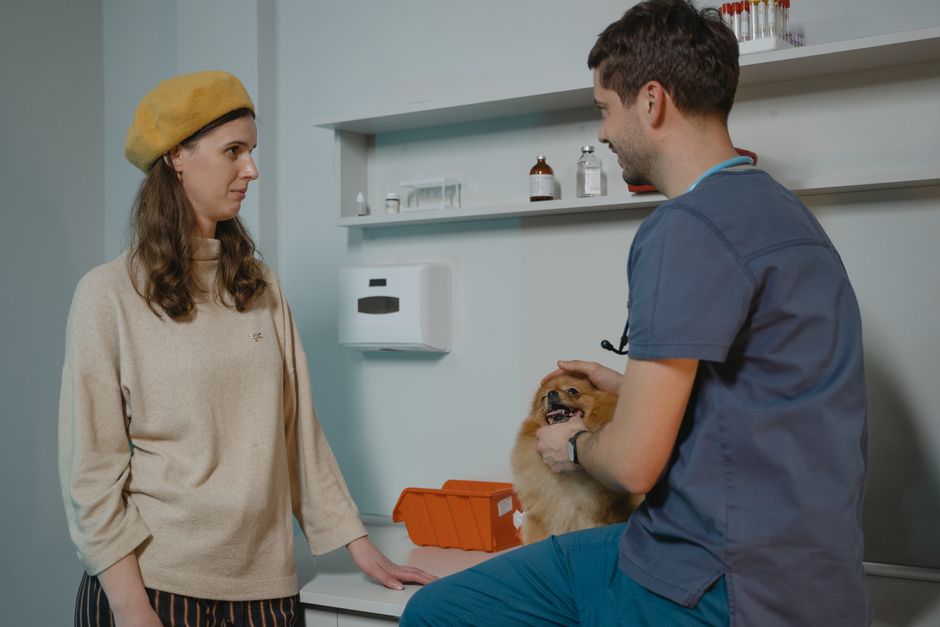
If your pet’s thunderstorm anxiety interferes with their quality of life, don’t hesitate to reach out to your veterinary team. At Pets Ahoy Animal Hospital, we take a personalized approach to anxiety management, offering a variety of solutions based on your pet’s needs. After a thorough evaluation, our veterinarians may recommend behavior modification strategies, calming pheromone products, or prescription medications for severe cases. A behavioral consultation can help pinpoint specific triggers and develop a tailored plan to reduce anxiety. When necessary, we can provide safe anti-anxiety medications or sedatives, but these are always prescribed based on individual risk factors and after a comprehensive medical assessment. For pets that require additional support, we may suggest preventive services to maintain overall health, as underlying medical issues can sometimes worsen anxiety. Our team stays current on the latest strategies for managing pet anxiety, giving you peace of mind that your companion is receiving expert care.
What to Expect During a Veterinary Visit
During your visit, our veterinarians will discuss your pet’s behavior history, observe their response to new environments, and rule out any medical conditions that could amplify stress. You’ll have the opportunity to ask questions, share your observations, and work together to create a practical action plan. For some pets, a combination of behavior therapy, home adjustments, and supportive medication offers the best results. We also provide guidance on training techniques such as desensitization, which gradually exposes your pet to storm sounds in a controlled, positive way. If your pet’s anxiety leads to self-injury or destructive behavior, our veterinary team can help you address these concerns safely and compassionately.
Home Strategies for Keeping Pets Calm During Storms
While veterinary care is essential for moderate to severe storm anxiety, there are many effective steps you can take at home to help your dog or cat feel safer. Creating a comfortable, quiet space where your pet can retreat during storms is often beneficial. This might be a cozy crate, a favorite closet, or a room with closed curtains and soft music playing to muffle thunder sounds. Some pets respond well to calming wraps or shirts designed to provide gentle, reassuring pressure. Offering familiar toys, treats, or a favorite blanket can help distract and comfort your pet. For cats, providing vertical spaces such as cat trees or shelves gives them a sense of security. It’s important to remain calm yourself, as pets often mirror your emotions; avoid punishing or scolding fearful behavior, as this can make anxiety worse.
Additionally, you can desensitize your pet to storm noises by playing recordings of thunder at a very low volume while rewarding calm behavior. Gradually increasing the volume over time can help some pets become less reactive, but this process requires patience and consistency. Ensuring your pet’s microchip and identification tags are current is also wise in case they bolt in fear. If you are concerned about potential exposure to toxins or hazardous items during storms, especially if your pet hides in unusual places, the ASPCA Animal Poison Control Center is a helpful resource for emergency advice.
Managing the Environment
Environmental management plays a major role in easing storm stress. Steps include closing windows to reduce noise, keeping lights on to obscure lightning flashes, and playing calming music or white noise to mask storm sounds. Some owners find that using pheromone diffusers or sprays helps relax pets, while others rely on natural supplements after discussing options with their veterinarian. Always introduce any new products gradually and monitor your pet’s response.
When to Seek Veterinary Care for Storm Anxiety
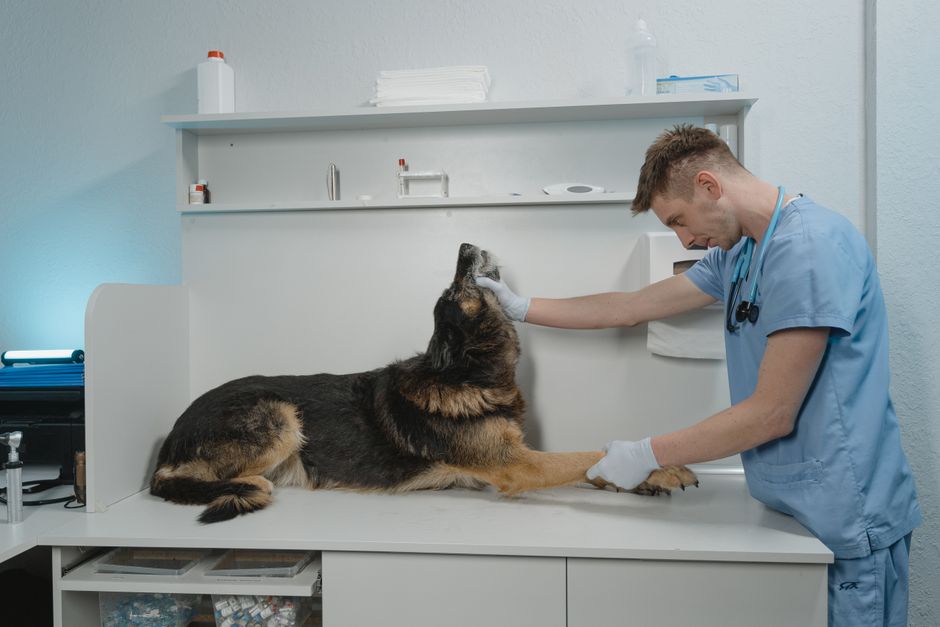
While mild thunderstorm anxiety can often be managed at home, there are times when professional help is essential. If your pet’s fear leads to self-injury, destructive behavior, loss of appetite, or elimination accidents, it’s time to schedule an appointment with your veterinarian. Other warning signs that indicate a need for veterinary attention include persistent anxiety even after the storm has passed, sudden changes in behavior, or underlying health conditions that could be aggravated by stress. If your pet becomes unresponsive, has difficulty breathing, collapses, or shows signs of severe distress, seek emergency veterinary care immediately. Our veterinary professionals at Pets Ahoy Animal Hospital are here to provide prompt support in urgent situations.
During the appointment, our team will work with you to develop a comprehensive plan that addresses both the physical and emotional aspects of your pet’s health. Sometimes anxiety symptoms can overlap with other medical conditions; a thorough evaluation helps ensure nothing is missed. Remember, early intervention can prevent storm anxiety from becoming a year-round problem.
Preventive Care and Long-Term Solutions
Thunderstorm anxiety often responds best to a combination of preventive strategies, behavioral support, and regular veterinary care. Enrolling your pet in a wellness plan ensures that all aspects of their health are monitored, from routine examinations to dental care and nutrition. Regular check-ups help our veterinary team identify subtle changes in behavior or health that could signal emerging anxiety issues. Preventive care also provides a chance to discuss stress reduction techniques, dietary recommendations, and any concerns you have about upcoming storm seasons.
It’s never too early to start preparing your pet for next year’s storms. By working closely with your veterinarian, you can lay the foundation for lifelong emotional well-being. Whether your pet is a young puppy experiencing their first thunderstorm or a senior cat with new fears, our team is here to guide you every step of the way.
Supporting Your Pet Through Storm Season in Macomb
August thunderstorms are a fact of life in Macomb, but with the right preparation and support, you can make storm season much easier for your pet. Recognizing the signs of anxiety, understanding why your pet reacts the way they do, and taking proactive steps at home all contribute to a calmer, safer environment. When concerns arise, don’t hesitate to reach out to our compassionate veterinary professionals at Pets Ahoy Animal Hospital.
If you’re searching for a veterinarian near me who understands thunderstorm anxiety and offers comprehensive small animal care, our team is ready to help. Schedule an appointment today by calling (586) 248-2515 or visiting us at 21856 23 Mile Rd, Macomb, MI 48042. We are dedicated to supporting pets and their families in Macomb and surrounding communities, offering everything from behavioral consultations to emergency veterinary care when you need it most. Together, let’s make every storm season safer and less stressful for your beloved companion.
This blog is intended for informational purposes only and does not replace professional veterinary advice. If your pet is experiencing severe anxiety or a medical emergency, contact your veterinarian or seek emergency care immediately.