
October Dental Health Checklist for Macomb Pets

October Dental Health Checklist for Macomb Pets
As autumn settles in around Macomb and the leaves begin to fall, it’s the perfect time to turn your attention to your dog or cat’s dental health. Many pet owners are surprised to learn just how much their companion’s overall wellness depends on a healthy mouth. At Pets Ahoy Animal Hospital, located right here at 21856 23 Mile Rd, Macomb, MI 48042, we know that October marks National Pet Dental Health Month for many clinics, but every season is important for maintaining those bright, healthy smiles. Whether your schedule is picking up with school activities or you’re spending more time indoors with your pets as the weather cools, it’s easy to overlook subtle changes in your pet’s mouth. In this guide, we’ll walk you through the most important dental health tips for fall, how to recognize early signs of dental disease, and what you can expect from advanced dental care at our hospital. Our goal is to help you safeguard your pet’s comfort, prevent future problems, and keep those tails wagging all year long.
Recognizing Dental Problems in Your Pet This Fall
Pet dental issues often develop quietly over time, and the early signs can be subtle, especially as routines shift with the changing seasons. Some of the most common symptoms of dental disease in dogs and cats include persistent bad breath, red or swollen gums, visible tartar on the teeth, and changes in eating habits. You might notice your pet dropping food, favoring one side while chewing, or even avoiding certain toys. Additionally, pawing at the mouth, increased drooling, or reluctance to let you look in their mouth can signal discomfort. Cats can be especially good at hiding pain, so even mild changes in grooming or appetite may be a clue that something is wrong.
If you catch a whiff of foul odor from your dog’s mouth, it’s more than just “doggy breath” and could be a warning sign of infection or dental decay. For more guidance on when bad breath becomes a concern in dogs, visit our page on when persistent bad breath in dogs may require veterinary attention. Cat owners should also be aware that halitosis in felines deserves prompt attention; our resource on bad breath in cats and dental problems offers more detailed information.
Why Dental Disease Happens: Causes and Risk Factors
Dental disease doesn’t happen overnight. In both dogs and cats, it begins when soft plaque accumulates on the teeth after meals. If not removed through regular brushing or chewing, this plaque hardens into tartar, a yellow-brown substance that traps bacteria against the gum line. Over time, bacteria cause inflammation of the gums (gingivitis), followed by deeper infection and destruction of the tissues that support the teeth (periodontal disease).
Risk factors for dental disease include age, breed, diet, and even your pet’s chewing habits. Small-breed dogs and certain cats are especially prone to dental issues due to the shape of their jaws and crowded teeth. Pets who eat mostly soft food or do not chew on dental treats may develop tartar more quickly. Genetics also play a role; some pets build up plaque much faster than others. Seasonal changes can influence your pet’s health as well. In the fall, less time outdoors and fewer chewing activities may mean less natural cleaning action for their teeth, making it even more important to be proactive.
Professional Dental Care: What to Expect at Pets Ahoy Animal Hospital
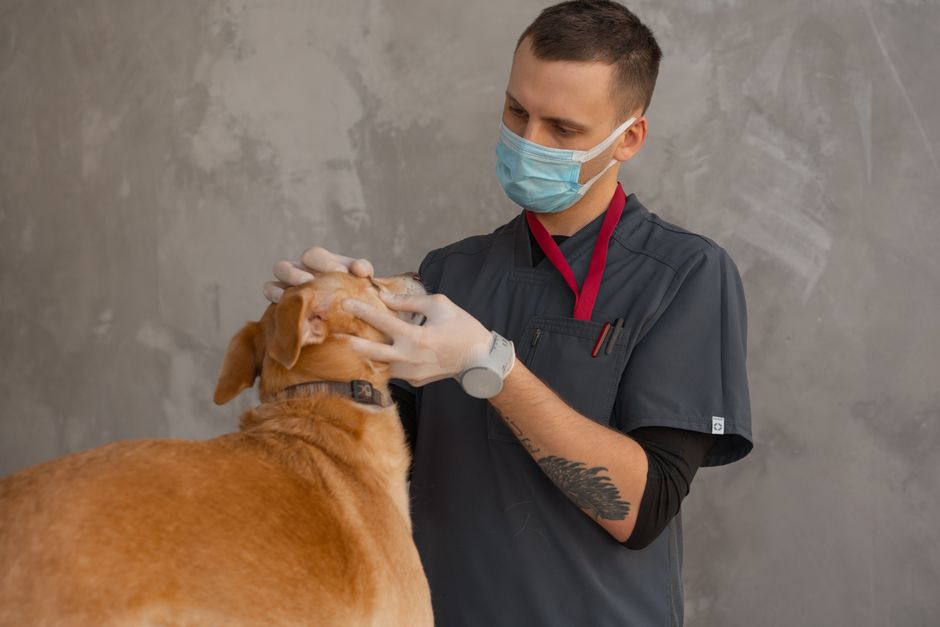
At Pets Ahoy Animal Hospital, we offer comprehensive dental services to help keep your pet’s mouth healthy and pain-free. If our veterinary team identifies signs of dental disease during your pet’s wellness examination, we may recommend a professional cleaning under anesthesia. This process allows us to safely remove plaque and tartar, both above and below the gum line, where toothbrushes cannot reach.
A professional dental cleaning includes a thorough oral evaluation, scaling and polishing of each tooth, and a close examination for hidden problems. Some pets need dental radiographs to detect issues below the surface, such as tooth root abscesses or bone loss. If you’re interested in learning more about this advanced diagnostic service, visit our page on dental radiography for evaluating hidden dental and oral problems in pets. In cases where a tooth is severely damaged or infected, our veterinarians may recommend a pet tooth extraction to relieve discomfort and prevent the spread of disease.
Our veterinary team is experienced in all aspects of pet dental care, from routine cleanings to complex oral surgery. We use modern equipment and gentle techniques to ensure your pet’s safety and comfort during every procedure. After dental treatment, we provide detailed instructions for home care and follow-up visits to help you maintain your pet’s oral health year-round.
Prevention and Home Dental Care for Dogs and Cats
The best defense against dental disease is a consistent home care routine paired with regular veterinary checkups. Brushing your pet’s teeth daily with a pet-safe toothpaste is the gold standard for preventing plaque buildup. For many families, this can be a bonding activity, especially when introduced gradually and paired with positive reinforcement. Dental chews, water additives, and special dental diets approved by your veterinarian can also help reduce plaque and freshen breath.
It’s important to inspect your pet’s mouth regularly. Gently lift the lips and look for red or swollen gums, brownish buildup on the teeth, or any broken or loose teeth. If your pet resists, try to make the experience positive and seek tips from our veterinary team during your next appointment. For cats, look for subtle changes such as decreased grooming, drooling, or irritability, as these may be early indicators of mouth discomfort.
Seasonal routines can make it easier to remember your pet’s dental care. As you prepare your home for colder weather or settle into new school schedules, make a habit of checking your pet’s mouth or setting reminders for tooth brushing. Even a few seconds a day can make a big difference in your pet’s comfort and long-term health.
When to Schedule a Dental Exam: Knowing When to Call Your Veterinarian
Recognizing when your pet needs professional dental care is vital to preventing pain and more serious health complications. If you notice persistent bad breath, bleeding gums, loose or missing teeth, difficulty eating, swelling around the face or mouth, or a sudden change in behavior, it’s time to schedule an appointment with your veterinarian. These are signs that dental disease may have progressed beyond what home care can address.
Regular dental evaluations are an essential part of your pet’s preventive care. Most pets benefit from an annual dental check as part of their wellness plan, but some may need more frequent monitoring, especially if they have a history of dental problems. Our team at Pets Ahoy Animal Hospital is always available to answer your questions and help you decide when your pet needs a professional cleaning or further evaluation. If you are searching for a "veterinarian near me" in Macomb or nearby communities, our experienced team is ready to support you every step of the way.
Advanced Dental Solutions for Every Pet
Every pet is unique, and dental health needs can vary widely. Some dogs and cats require only routine cleanings, while others may need advanced care such as pet oral surgery for more complex problems. Our hospital is equipped to handle a full range of dental issues, including extractions, treatment of infected teeth, and management of chronic oral pain. We also provide ongoing support for recovery and pain management, so your pet can get back to enjoying life as soon as possible.
Our veterinary professionals take the time to explain your pet’s dental health status, outline all available options, and answer any questions you have about procedures, costs, or aftercare. We know how much you care about your pet’s comfort and happiness, and we are committed to making every visit as stress-free and informative as possible.
Keeping Your Pet’s Smile Bright All Year: The Pets Ahoy Commitment
Dental health is far more than just a cosmetic concern; it’s a key part of your pet’s overall wellness and quality of life. By staying alert to early warning signs, maintaining a regular home care routine, and scheduling timely professional cleanings, you can help your pet avoid pain and enjoy better health throughout every season. If you have questions about your dog or cat’s dental care or would like to schedule a dental evaluation, reach out to our veterinary team today. We are here to support Macomb and surrounding communities with experienced, compassionate care.
To book a dental checkup or learn more about our services, call (586) 248-2515 or visit us at 21856 23 Mile Rd, Macomb, MI 48042. For more information about our professional dental cleaning services for pets, please explore our website. Your pet’s comfort and health are always our top priorities, so let us help you keep those tails wagging and purrs coming all autumn long.