Why Is My Cat Caterwauling? Understanding Feline Distress

Why Is My Cat Caterwauling? Understanding Feline Distress
If you have ever been startled awake by your cat’s loud, haunting yowl in the middle of the night, you are not alone. Many cat owners in Macomb and surrounding communities find themselves puzzled and concerned by these intense vocalizations, commonly known as caterwauling. This distinctive noise can be alarming for both you and your feline companion. At Pets Ahoy Animal Hospital, located at 21856 23 Mile Rd, Macomb, MI 48042, our veterinary team understands how distressing it can be to hear your cat in apparent discomfort. In this blog, we will help you understand what caterwauling means, explore common reasons behind this behavior, and explain when it is time to seek professional veterinary care. We will also discuss how our experienced veterinarians can help diagnose and treat the underlying cause, ensuring your cat’s comfort and peace of mind for your family.
Recognizing Caterwauling: What Does It Sound Like?
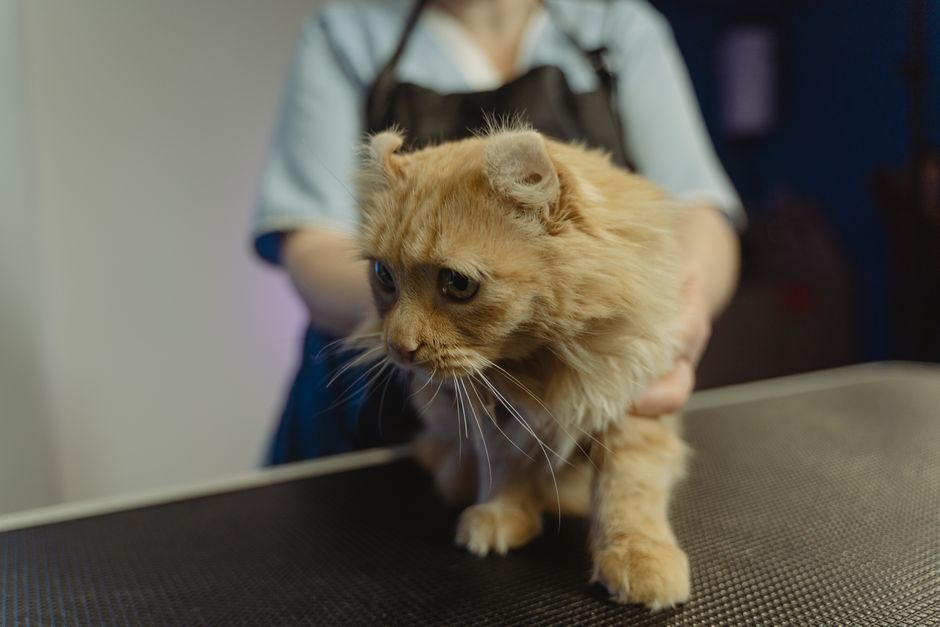
Caterwauling is more than just a simple meow. This vocalization is typically loud, drawn-out, and often described as an eerie, wailing sound. Cat owners may notice their cat making this noise at night, but it can occur at any time. The vocalization may echo through your home, sometimes accompanied by restless pacing, agitation, or changes in your cat’s usual behavior.
Key signs your cat is caterwauling include persistent, high-pitched yowling, especially when it seems out of character. Additionally, you might observe your cat appearing restless, hiding more than usual, or seeking extra attention. Many owners notice this behavior during times of change, such as moving to a new home, introducing a new pet, or after a significant shift in household routine.
If you are unsure whether your cat’s vocalization qualifies as caterwauling, try to observe when and how often it occurs. Take note of any additional symptoms, such as appetite changes or lethargy. Keeping a simple diary of these behaviors can be helpful when discussing your concerns with your veterinarian during a wellness examination.
Common Causes of Caterwauling in Cats
Feline caterwauling is not a random occurrence; it is often your cat’s way of communicating that something is amiss. There are many potential causes for this distress vocalization, ranging from behavioral issues to underlying medical conditions. Understanding these causes is crucial to addressing your cat’s needs.
Medical Reasons Behind Caterwauling
One of the most important considerations is your cat’s physical health. Medical issues that can prompt caterwauling include pain from arthritis, dental disease, or injury. Cats experiencing discomfort from urinary tract infections, kidney disease, hyperthyroidism, or cognitive dysfunction syndrome (especially in older cats) may also vocalize loudly. Sensory decline, such as hearing or vision loss, can lead to confusion and distress, prompting your cat to vocalize more frequently.
Some owners may notice that caterwauling is accompanied by other symptoms such as decreased appetite, vomiting, diarrhea, increased thirst, or sudden changes in litter box habits. If you observe any of these warning signs, it is important to seek veterinary attention, as underlying illness could be the cause. You can find more information on how changes in appetite may relate to feline distress by visiting our resource on what to do if your cat stops eating.
Behavioral and Environmental Triggers
Beyond medical factors, behavioral and environmental changes can play a significant role in triggering caterwauling. Cats are highly sensitive to their surroundings. Moving to a new home, rearranging furniture, the addition or loss of a companion animal, or changes in family dynamics can all be sources of stress. Some cats caterwaul in response to boredom, loneliness, or lack of stimulation, while others may be expressing their need for attention from their favorite humans.
Unspayed female cats in heat and unneutered males are notorious for caterwauling. This is a natural part of feline reproductive behavior and is particularly common in spring and summer when cats are more likely to be in season. Spaying and neutering can significantly reduce or eliminate these hormonally driven vocalizations.
Age-Related Changes and Cognitive Decline
Older cats are particularly prone to developing cognitive dysfunction syndrome, which is similar to dementia in humans. This age-related disorder can lead to confusion, changes in sleep-wake cycles, and increased vocalization, particularly at night. If your senior cat starts caterwauling and seems disoriented or less interactive, cognitive decline may be a contributing factor.
How Our Veterinary Team Diagnoses and Treats Caterwauling
When your cat begins caterwauling, it is important not to dismiss it as simply “talkative” behavior. Our veterinarians at Pets Ahoy Animal Hospital approach each case with a thorough, individualized assessment to determine the underlying cause.
Comprehensive Veterinary Evaluation
A wellness examination is the first step. During your cat’s visit, our veterinary professionals will discuss your cat’s medical history, recent changes at home, and the pattern of vocalization. A thorough physical exam allows us to check for signs of pain, illness, or sensory loss.
Depending on the findings, our team may recommend additional testing through our in-house diagnostic laboratory. These tests can include blood work, urinalysis, or imaging studies to uncover any internal issues contributing to your cat’s distress.
Addressing Medical Issues
If an underlying medical condition is detected, treatment is tailored to your cat’s specific needs. Managing pain through appropriate medications, treating infections, or adjusting for chronic conditions such as kidney or thyroid disease can lead to a significant reduction in caterwauling. Our veterinarians can also provide pain management strategies to keep your cat as comfortable as possible.
Behavioral Support and Environmental Enrichment
When medical issues are ruled out, our focus shifts to behavioral and environmental factors. We offer professional behavioral consultation to help you identify stressors in your cat’s environment and develop strategies to promote calmness. Simple changes, such as increasing playtime, providing more vertical space, or creating safe, quiet retreats, can help alleviate stress-driven vocalizations.
When reproductive behavior is at the root of caterwauling, spaying or neutering is often the best long-term solution. Our team can discuss surgical options and timing to support your cat’s overall well-being.
Home Care and Prevention: Helping Your Cat Feel Secure
Supporting your cat at home is a key part of managing and preventing caterwauling. Cats thrive on routine and security, so consistency is crucial. Feed your cat at the same times each day, offer plenty of play and enrichment, and ensure your feline companion has access to cozy, quiet spaces for rest.
If your cat seems anxious or bored, increase interactive play sessions, rotate toys, or introduce puzzle feeders to provide mental stimulation. For multi-cat households, be sure each cat has its own food and water bowls, litter boxes, and resting areas to reduce competition and stress.
A regular wellness examination is one of the most effective ways to catch medical issues before they escalate into distress behaviors like caterwauling. Our wellness plans can help you stay proactive about your cat’s health, with preventive care tailored to your cat’s unique needs.
When to Seek Veterinary Care for Caterwauling
Recognizing when your cat’s caterwauling requires professional attention is vital for their health and your peace of mind. If your cat’s vocalizations are sudden, persistent, or accompanied by other symptoms such as lethargy, appetite loss, vomiting, diarrhea, or changes in litter box use, schedule an appointment with our veterinary team promptly. Cats are experts at hiding discomfort, so vocalization may be one of the few signs that something is wrong.
In cases where caterwauling is linked to age or behavioral changes, our team at Pets Ahoy Animal Hospital can provide guidance, support, and tailored treatment plans. If you ever feel unsure about the urgency of your cat’s behavior, it is always better to err on the side of caution and reach out for professional advice.
Remember, timely intervention can make all the difference in identifying underlying problems and restoring harmony to your home.
Support for Cat Owners in Macomb: Compassionate Care for Caterwauling
Caterwauling can be distressing for both you and your cat, but you do not have to navigate this challenge alone. At Pets Ahoy Animal Hospital, our experienced veterinarians are dedicated to helping cat owners in Macomb and nearby communities find answers and relief. Whether your cat’s distress is caused by medical issues, behavioral concerns, or age-related changes, we provide comprehensive diagnostic and treatment options designed for your feline companion’s unique needs.
If you are searching for a "vet near me" who understands the complexities of feline behavior and health, trust our team to provide personalized care. Schedule an appointment at Pets Ahoy Animal Hospital by calling (586) 248-2515 or visiting us at 21856 23 Mile Rd, Macomb, MI 48042. We encourage you to take the first step toward resolving your cat’s caterwauling and restoring comfort for everyone at home.
For more information about feline distress, behavioral consultation services, or to book a wellness examination, explore our website or contact our veterinary professionals today. Your cat’s comfort and well-being are always our top priorities.