Canine Ultrasound Near Me: What Macomb Dog Owners Need to Know

Canine Ultrasound Near Me: What Macomb Dog Owners Need to Know
If you have ever searched for "canine ultrasound near me," you are likely looking for answers about your dog's health and the advanced diagnostic tools available locally. At Pets Ahoy Animal Hospital, conveniently located at 21856 23 Mile Rd, Macomb, MI 48042, our team of veterinarians brings over 35 years of experience to every appointment, offering a full range of diagnostic services to keep your dog healthy. Whether your dog is showing unusual symptoms, has a chronic condition, or your veterinarian suspects an internal issue, ultrasound can be a crucial step in reaching an accurate diagnosis and creating the best treatment plan.
In this article, we will guide you through the essentials of canine ultrasound: when your dog might need one, what the procedure involves, common conditions diagnosed through ultrasound, and how Pets Ahoy Animal Hospital supports Macomb's families with advanced care. We will also cover what to expect before, during, and after your dog's ultrasound, so you feel informed and empowered to make the best choices for your pet. If you are interested in learning more about our veterinary ultrasound services, you can find additional information on our veterinary ultrasound services page.
Recognizing When Your Dog Might Need an Ultrasound
Ultrasound is a powerful, non-invasive imaging tool that allows veterinarians to look inside your dog's body in real time. But how do you know if your dog might need this type of diagnostic test? The answer often begins with recognizing subtle changes in your dog's behavior or health. Symptoms that may prompt your veterinarian to recommend an ultrasound include persistent vomiting, diarrhea that does not resolve, unexplained weight loss, or abdominal swelling. Additionally, if your dog is drinking more water than usual, urinating more frequently, or has blood in their urine or stool, these signs can indicate internal issues that require further investigation.
In some cases, your veterinarian may discover an abnormality during a comprehensive pet exam, such as a lump or mass, that cannot be fully understood through palpation or X-rays alone. Other situations that may lead to an ultrasound recommendation include suspected pregnancy, chronic coughing, difficulty breathing, or unexplained fevers. These symptoms can be unsettling for any dog owner, but seeking timely veterinary care is the best way to ensure your pet receives the attention and support they need.
Why Do Dogs Need Ultrasound? Common Causes and Diagnostic Uses
Dog owners often wonder what makes ultrasound different from X-rays or other diagnostic tools. While X-rays provide a static image and are excellent for visualizing bones, ultrasound uses sound waves to create live images of soft tissues like the liver, kidneys, heart, spleen, bladder, and reproductive organs. This means ultrasounds are especially valuable for investigating abdominal discomfort, monitoring pregnancies, and evaluating organ health in real time.
Common reasons for canine ultrasound include investigating gastrointestinal problems such as chronic vomiting, diarrhea, or suspected foreign objects in the stomach or intestines. Additionally, if your dog is experiencing difficulty urinating, an ultrasound can help assess the urinary bladder and kidneys for stones, tumors, or inflammation. Heart conditions are another area where ultrasound, specifically echocardiography, provides crucial insights into heart function and structure.
For dogs with unexplained weight loss or suspected cancer, ultrasound allows veterinarians to examine internal organs for masses, cysts, or abnormal tissue changes. It is also used to guide needle biopsies, ensuring samples are collected safely and accurately. In short, canine ultrasound gives your veterinary team a window inside your dog's body, helping them diagnose, monitor, and plan treatments with precision.
The Canine Ultrasound Process at Pets Ahoy Animal Hospital
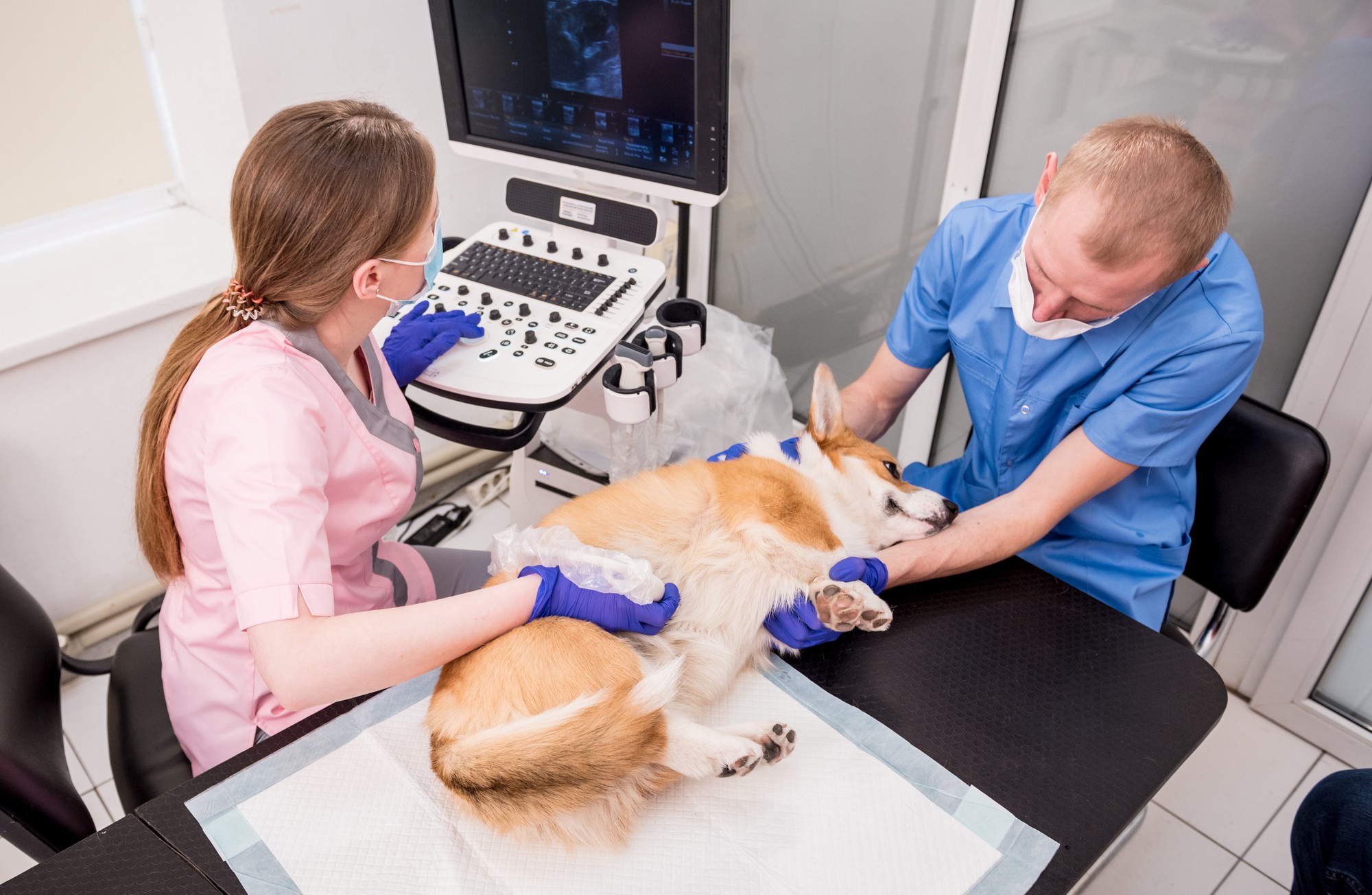
If your veterinarian recommends an ultrasound for your dog, understanding what to expect can ease your concerns. At Pets Ahoy Animal Hospital in Macomb, we prioritize both advanced technology and compassionate care throughout the procedure. When you arrive for your appointment, your dog will be gently positioned on a padded table, usually lying on their back or side. The area to be imaged may be shaved to allow for optimal contact with the ultrasound probe and to ensure clear images.
A special gel is applied to your dog's skin, which helps transmit the sound waves from the probe into the body. Most dogs tolerate the process extremely well, as it is painless and does not require anesthesia in the majority of cases. However, if your dog is particularly anxious or if an extended study is needed, mild sedation may be recommended to keep them comfortable.
The veterinarian will move the ultrasound probe over your dog's body, watching the live images on a monitor. The entire procedure typically lasts between 20 and 60 minutes, depending on the complexity of the study. After the scan, your veterinarian will review the images and discuss the findings with you. In some cases, further diagnostics or follow-up visits may be recommended, especially if a biopsy or additional testing is needed.
For more information on the range of diagnostic imaging offered at our hospital, you can explore our digital radiology (X-ray) services as well.
What Can Ultrasound Diagnose in Dogs?
Ultrasound can reveal a wide variety of conditions that affect dogs of all ages and breeds. In the abdomen, ultrasound is used to detect tumors, cysts, fluid accumulation, and organ enlargement. It is also invaluable for investigating chronic gastrointestinal symptoms or identifying foreign bodies that may not show up on X-rays. The procedure can help diagnose liver disease, kidney stones, bladder stones, pancreatitis, and certain types of infections.
Pregnancy diagnosis and monitoring in female dogs is another common use. Ultrasound can confirm pregnancy, estimate litter size, and check for complications. In male dogs, testicular ultrasound can reveal tumors or other abnormalities. Cardiac ultrasound, or echocardiography, is frequently used to evaluate heart murmurs, congenital heart defects, and changes associated with aging or heart disease.
With the ability to guide biopsies, ultrasound makes it possible to collect tissue samples from the liver, spleen, or masses with minimal risk. This helps ensure an accurate diagnosis without the need for invasive exploratory surgery. By providing a real-time view of your dog's internal health, ultrasound enables your veterinary team to make well-informed decisions about treatment and ongoing care.
How to Prepare Your Dog for an Ultrasound
Preparing your dog for an ultrasound at Pets Ahoy Animal Hospital is usually straightforward. Your veterinarian will give you specific instructions based on the type of ultrasound being performed. For most abdominal ultrasounds, fasting your dog for 8 to 12 hours before the appointment is recommended. This helps reduce the amount of gas and food in the stomach, which can interfere with image quality. Water is typically allowed, but always confirm with your veterinary team.
If your dog is taking medication, ask your veterinarian if any adjustments are needed before the procedure. For cardiac ultrasounds or pregnancy checks, fasting may not be necessary. You should also let the veterinary team know about any recent changes in your dog's behavior, appetite, or symptoms, as this information can help guide the ultrasound and interpretation of results. Bringing your dog's favorite blanket or toy can help them feel more at ease during the visit.
After the Ultrasound: What Happens Next?
Once the ultrasound is complete, your veterinarian will discuss the findings and next steps with you. In many cases, the results are available immediately, although more complex studies may require review by a specialist. If the ultrasound reveals an abnormality, your veterinarian will explain the options available, which may include further testing, medical management, surgery, or referral to a veterinary specialist.
For example, if a mass is detected, your veterinarian might recommend a fine needle aspirate or biopsy to determine if it is benign or malignant. If a urinary stone is found, treatment options may involve dietary changes, medication, or surgical removal. Heart disease detected on ultrasound may be managed with medication and regular monitoring. Your veterinarian will work closely with you to develop a care plan tailored to your dog's needs.
At Pets Ahoy Animal Hospital, we believe in clear communication and ongoing support throughout your pet's diagnostic journey. Should your dog require additional diagnostic testing, our pet diagnostic lab services provide on-site laboratory analysis to deliver fast, accurate results.
Home Care and Prevention: Supporting Your Dog's Health
While ultrasound is a critical tool for diagnosing illness, prevention and early detection remain key to keeping your dog healthy. Regular comprehensive pet exams are the foundation of preventive care, allowing your veterinarian to monitor your dog's health over time and identify problems before they become serious. Keeping up with recommended vaccinations, parasite prevention, dental care, and nutrition advice can help minimize the risk of developing conditions that may require advanced diagnostics.
At home, observe your dog for changes in appetite, water intake, urination, bowel movements, and activity level. Promptly report any unusual symptoms to your veterinarian. By maintaining a proactive relationship with your veterinary team, you can ensure that any health concerns are addressed quickly and effectively.
When to Seek Veterinary Care for Your Dog
It is normal to feel concerned if your dog is acting differently or appears unwell. If you notice persistent vomiting, diarrhea, loss of appetite, weight loss, abdominal swelling, difficulty urinating, coughing, or any other sudden change in behavior, it is important to schedule an appointment with your veterinarian as soon as possible. Early intervention can make a significant difference in outcomes, especially for conditions that benefit from timely ultrasound diagnosis.
Trust your instincts as a dog owner; you know your pet best. If something feels off or you are unsure whether your dog needs medical attention, reach out to the veterinary professionals at Pets Ahoy Animal Hospital. Our team is here to guide you through the process and provide the highest level of care for your dog.
Choosing the Right Canine Ultrasound Near Me in Macomb
When searching for "canine ultrasound near me," it is important to choose a veterinary team with experience, compassion, and access to advanced imaging technology. At Pets Ahoy Animal Hospital, our veterinarians are dedicated to providing personalized, comprehensive care for every patient. Located in the heart of Macomb, we proudly serve families throughout Macomb and surrounding communities, delivering the expertise and support you need to keep your dog healthy.
Whether your dog needs a routine health assessment or advanced diagnostic imaging, our team is committed to making every visit as comfortable and informative as possible. We understand how important your dog is to your family, and we strive to be your trusted partner in lifelong care.
If you are looking for a vet near me who offers advanced ultrasound and compassionate service, we invite you to schedule an appointment at Pets Ahoy Animal Hospital. To learn more about our ultrasound capabilities or to book a consultation, contact us at (586) 248-2515 or visit us at 21856 23 Mile Rd, Macomb, MI 48042. Your dog's health and happiness are our highest priorities.
This article is intended for informational purposes only and should not replace professional veterinary advice. Always consult your veterinarian for guidance specific to your dog's needs.