What to Expect from Pet Orthopedic Surgery in Macomb

What to Expect from Pet Orthopedic Surgery in Macomb
When a beloved dog or cat starts limping, slows down, or seems reluctant to play, it can be both worrying and confusing for any pet owner. Orthopedic concerns are a leading reason families seek veterinary help, and the need for specialized care—such as pet orthopedic surgery in Macomb—is more common than many realize. At Pets Ahoy Animal Hospital, located at 21856 23 Mile Rd, Macomb, MI 48042, our team of veterinarians brings over 35 years of experience to each case, offering advanced orthopedic procedures like ACL repair for dogs, FHO surgery, patellar luxation repair, and more.
If your pet is facing mobility issues or has been diagnosed with a condition requiring orthopedic intervention, understanding what to expect can help you feel more confident and better prepared. This guide explores how our veterinary professionals approach orthopedic cases, what the surgical process involves, and how we support both you and your pet through recovery. We also highlight how to recognize early signs, why timely care matters, and what makes our local team a trusted partner for orthopedic surgery and ongoing wellness in Macomb and surrounding communities. If you are searching for the best "vet near me" for advanced surgical care, read on to see how we can help your pet regain a comfortable and active life. For a more detailed overview of our orthopedic capabilities, visit our orthopedic surgery page.
Recognizing When Your Pet Needs Orthopedic Surgery in Macomb
Pets are masters at hiding discomfort, so it can be challenging to know when a limp or a change in activity signals something more serious. Key symptoms suggesting your pet may need orthopedic evaluation include persistent limping, difficulty rising or jumping, favoring one leg, stiffness after rest, swelling around joints, or audible popping or clicking sounds. Additionally, you might notice changes in behavior such as reluctance to play, decreased appetite, or signs of pain when touched near a limb or joint. For dogs, ACL injuries often present as sudden lameness in a rear leg, while cats experiencing hip discomfort may avoid jumping altogether.
These symptoms can be subtle at first, but early recognition is crucial—especially when seeking "pet orthopedic surgery Macomb" or "veterinary services near me." If your pet is showing any of these signs, it is important to schedule an appointment with a veterinary professional promptly. Early intervention not only helps prevent further injury, but also improves the likelihood of a full recovery.
Understanding the Causes of Orthopedic Conditions in Pets
Orthopedic issues in pets arise from a variety of causes. Trauma, such as falls or accidents, can lead to fractures, ligament tears, or dislocations. In dogs, conditions like cranial cruciate ligament (CCL) injuries—commonly referred to as ACL tears—are especially prevalent in active breeds or older pets with weakening ligaments. Developmental disorders, such as hip dysplasia or patellar luxation, often have a genetic component and can affect pets from a young age.
Other factors contributing to orthopedic problems include obesity, which places additional strain on joints; age-related degeneration, which leads to arthritis and cartilage loss; and certain infections or inflammatory diseases that weaken bone structure. Cats may also develop orthopedic challenges, especially as they age, such as arthritis, hip luxation, or traumatic injuries from falls.
It is important for pet owners in Macomb to be aware that some breeds are more predisposed to orthopedic conditions, and that environmental factors—like slippery floors or excessive jumping—can increase risk. If you are concerned about your pet’s joint health or mobility, our experienced veterinary team can assess and provide guidance tailored to your pet’s needs.
Treatment Options: What to Expect from Pet Orthopedic Surgery at Pets Ahoy Animal Hospital
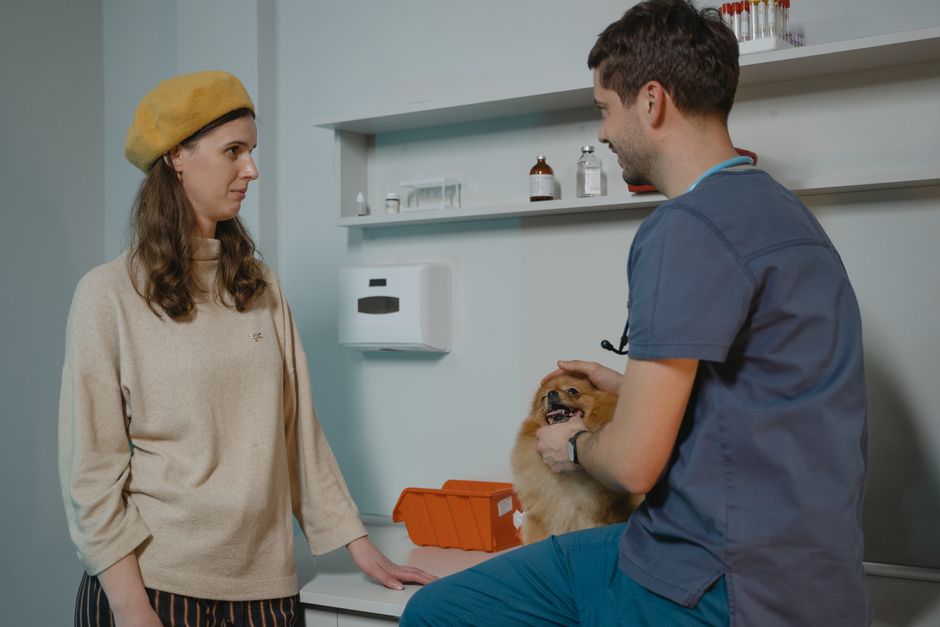
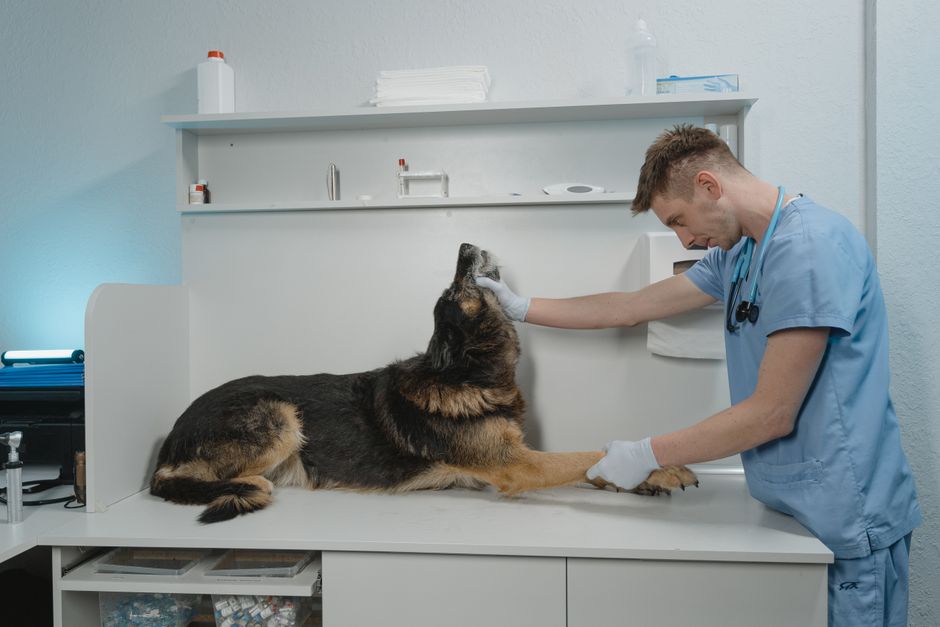
When your pet is diagnosed with an orthopedic condition, our veterinarians will take a thorough and compassionate approach to treatment. This process begins with a comprehensive physical examination, digital radiography, and, when needed, advanced diagnostic lab work to accurately identify the problem. Once a diagnosis is confirmed, we will discuss all available options with you, including both surgical and non-surgical interventions.
For many conditions, surgical treatment offers the best chance for a return to normal function. Common procedures performed at Pets Ahoy Animal Hospital include ACL repair surgery for dogs with cranial cruciate ligament tears, FHO (femoral head ostectomy) surgery for pets with severe hip dysplasia or trauma, and knee cap dislocation surgery for patellar luxation. In more severe cases, such as irreparable fractures or cancer, limb amputation may be necessary to relieve pain and improve quality of life.
During the procedure, your pet’s safety and comfort are our top priorities. We use advanced anesthesia protocols and continuous patient monitoring to minimize risk, as detailed on our anesthesia and patient monitoring page. Pain management is another critical component, with tailored plans that may include medications, laser therapy, and rehabilitation exercises, all explained further on our pain management and control page.
After surgery, our veterinary professionals will guide you through the recovery period, providing detailed instructions on home care, activity restriction, and follow-up appointments. Most pets benefit from a combination of rest, gradual return to activity, and physical therapy exercises to restore strength and mobility. For families seeking "ACL repair for dogs near me" or "pet orthopedic surgery Macomb," our team’s experience and commitment to personalized care make all the difference in achieving the best possible outcome.
Preventing Orthopedic Problems and Supporting Recovery at Home
While some orthopedic conditions are unavoidable due to genetics or accidental injury, there are steps pet owners can take to help minimize risk and support recovery. Maintaining your pet at a healthy weight is one of the most important strategies, as excess pounds increase strain on joints and ligaments. Providing regular, low-impact exercise keeps muscles strong and joints flexible, while controlled activities—such as leash walking or gentle play—help prevent overexertion.
Environmental modifications at home can also reduce risk; using non-slip mats, pet stairs, or ramps for furniture can prevent slips and minimize jumping. For dogs prone to ACL injuries or breeds at risk for hip dysplasia, your veterinarian may recommend supplements, custom exercise plans, or periodic wellness screenings to monitor joint health over time.
After orthopedic surgery, following your veterinarian’s instructions is critical. Steps include administering prescribed medications on schedule, restricting your pet’s activity during the healing phase, and attending all follow-up visits. Simple measures like keeping your pet’s recovery space calm, ensuring comfortable bedding, and using an Elizabethan collar when needed help prevent complications.
Prompt communication with your veterinary team is essential if you notice swelling, incision issues, changes in appetite, or reluctance to bear weight during recovery. Our commitment to comprehensive care extends beyond surgery, ensuring you have all the tools and guidance necessary for a smooth return to activity.
When to Seek Veterinary Care for Orthopedic Concerns
Knowing when to seek professional help can make all the difference for your pet’s recovery. Immediate veterinary attention is needed if your pet experiences sudden severe lameness, cannot bear weight on a limb, shows signs of significant pain or distress, or suffers trauma such as being hit by a car. Other warning signs include persistent limping that does not improve within a few days, visible swelling, open wounds, or signs of infection near a joint or incision.
Even if symptoms appear mild, early evaluation by a veterinarian can help prevent minor injuries from becoming chronic problems. For pet owners searching for "pet orthopedic surgery near me" or "quality vet near me," Pets Ahoy Animal Hospital offers advanced diagnostics and treatment options—all delivered with personalized attention and compassion. Scheduling an appointment at the first sign of a problem can help your pet avoid unnecessary discomfort and speed their return to an active life.
If your pet’s situation appears urgent or you are not sure whether to wait, please call our team for guidance. For information about urgent care services, visit our emergency and urgent care page.
Compassionate, Local Expertise for Pet Orthopedic Surgery in Macomb
Choosing the right partner for your pet’s orthopedic needs can be overwhelming, but you do not have to navigate the process alone. At Pets Ahoy Animal Hospital, we combine advanced surgical expertise with a commitment to compassionate, personalized care for every patient and family. Our veterinarians utilize the latest techniques and equipment, whether your pet requires ACL repair, FHO surgery, or ongoing pain management.
If you are searching for the "best veterinarian near me" or "pet orthopedic surgery Macomb," trust your local experts at 21856 23 Mile Rd, Macomb, MI 48042. We invite you to schedule an appointment with our veterinary team to discuss your pet’s needs and explore your options for both surgical and non-surgical care. Our team is here to answer your questions, provide ongoing support, and help your pet return to a happy, active life.
To learn more about our specific procedures and what to expect, visit our orthopedic surgery page or call us at (586) 248-2515 to set up a consultation. If you are looking for a "vet near me" who can provide comprehensive orthopedic care, Pets Ahoy Animal Hospital is proud to serve Macomb and surrounding communities. Your pet’s health, comfort, and mobility are our top priorities, and we look forward to partnering with you on their journey to recovery.
This blog is for informational purposes only and does not replace professional veterinary advice. Please consult your veterinarian for specific diagnoses and treatment recommendations. For more information on pet orthopedic surgery, you can visit the American College of Veterinary Surgeons or the American Veterinary Medical Association.