Is Your Dog Limping? Common Causes and When to See Your Macomb Vet

Is Your Dog Limping? Common Causes and When to See Your Macomb Vet
When your dog suddenly starts limping, it can be startling and worrisome. Whether your pet is favoring one leg, struggling to get up, or showing signs of discomfort, limping is never something to ignore. For pet owners in Macomb and surrounding communities, recognizing the reasons behind mobility issues and knowing when to seek help from a trusted veterinary team can make all the difference in your dog's comfort and long-term health.
At Pets Ahoy Animal Hospital, located at 21856 23 Mile Rd, Macomb, MI 48042, our compassionate veterinarians understand how concerning it is when your pet is in pain. In this blog, we'll walk you through the most common dog limping causes, what to watch for at home, and how veterinary diagnostics in Macomb can help pinpoint the problem. You'll also find practical guidance on home care, prevention, and clear advice on when to schedule an appointment for a professional evaluation. If you're searching for a "vet near me" who prioritizes your pet's well-being and offers advanced care, you're in the right place.
Recognizing When Your Dog Is Limping: Signs and Symptoms
The first step in helping your dog is understanding what limping looks like and identifying when it signals a medical concern. Limping, also known as lameness, can be subtle or dramatic. Sometimes, a dog may simply shift weight off an affected leg, while other times, the limp is accompanied by whimpering, reluctance to walk, or even refusal to bear any weight at all.
Common signs indicating your dog may be limping include a noticeable favoring of one leg, a change in gait such as hopping or skipping, difficulty rising from a resting position, or a sudden decrease in activity level. Additional clues may involve licking or chewing at a specific paw, yelping when the limb is touched, or visible swelling around a joint or paw. For dogs with chronic conditions, you might notice stiffness after getting up or a limp that worsens with exercise.
Pet owners in Macomb often notice these changes during daily walks or playtime. If your dog is suddenly less eager for activities they once enjoyed, this could be an early indicator of an underlying issue. The veterinary professionals at Pets Ahoy Animal Hospital encourage you to monitor your pet closely and jot down when symptoms started, as this information is helpful during your wellness examination.
Understanding Dog Limping Causes: Why Is Your Dog Limping?
Limping in dogs can stem from a variety of causes, ranging from minor injuries to more serious medical conditions. The most common dog limping causes in Macomb and similar climates include soft tissue injuries such as sprains or strains from running or jumping. Other frequent culprits are paw injuries like cuts, embedded objects, or cracked nails, which are especially prevalent during Michigan's icy winters or after long walks on rough terrain.
Orthopedic issues are another leading cause of limping in dogs. Conditions such as arthritis, hip dysplasia, patellar luxation, and cranial cruciate ligament (CCL) tears can all result in lameness. These problems often develop gradually and may worsen over time. Puppies and younger dogs are sometimes prone to growth plate injuries, while older dogs are more likely to experience degenerative joint disease.
Infectious diseases, tick-borne illnesses, and even some systemic conditions can also lead to lameness. Occasionally, limping may be caused by bone fractures, dislocations, or more severe trauma. Less commonly, tumors or nerve disorders might contribute to your dog's altered gait. Because the reasons for limping are so varied, a thorough veterinary assessment is essential for an accurate diagnosis.
If your veterinarian suspects joint instability or severe orthopedic damage, advanced diagnostic tools such as digital radiology or vet ultrasounds may be recommended. These technologies, available at Pets Ahoy Animal Hospital, allow for detailed visualization of bones, joints, and soft tissues, ensuring your pet receives the most precise care possible.
Professional Treatment and Management: What to Expect From Veterinary Care
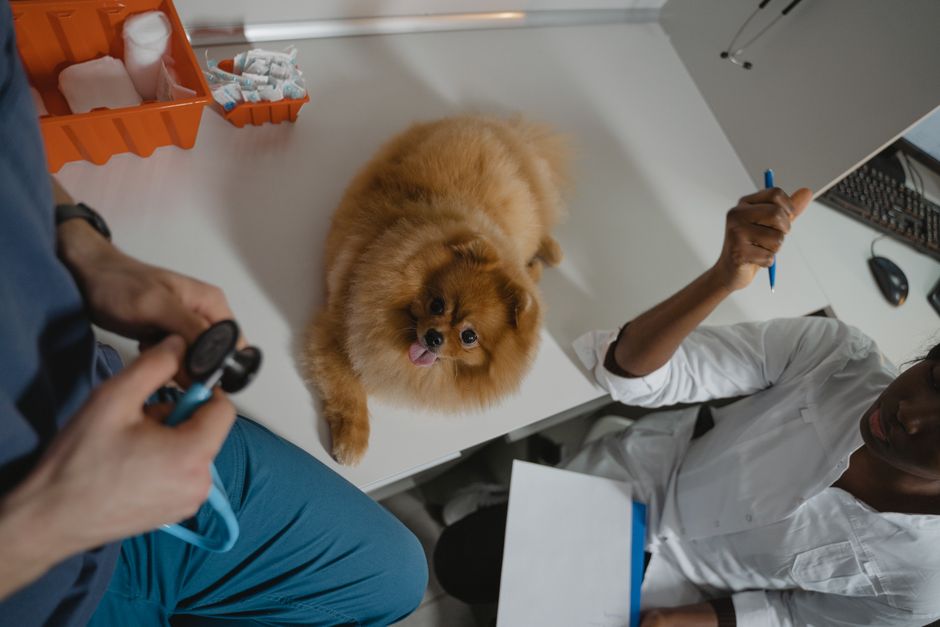
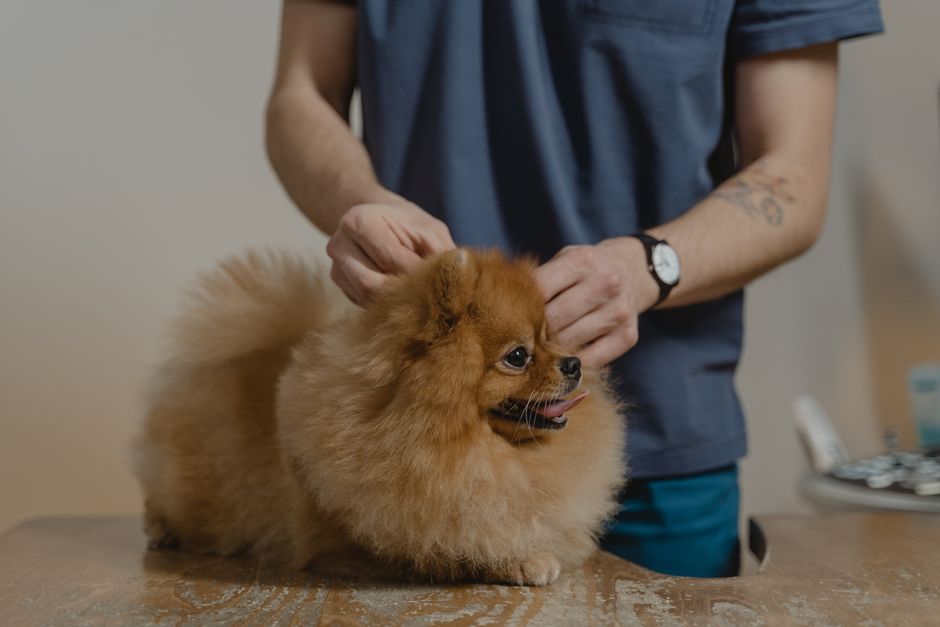
Once your dog is limping, the next step is to schedule a comprehensive evaluation with a veterinarian in Macomb. During your visit to Pets Ahoy Animal Hospital, our veterinary team will begin with a thorough physical examination and a review of your pet's history. This may include gentle manipulation of the limbs, observation of your dog's gait, and palpation for swelling or pain.
Depending on the findings, your dog might benefit from on-site diagnostic services such as digital radiology, which can reveal fractures, joint problems, and signs of arthritis. For soft tissue injuries or more complex cases, vet ultrasounds or laboratory testing may be suggested to investigate infections or systemic diseases.
Treatment options are tailored to the underlying cause. For minor injuries, rest and controlled activity may be advised along with pain relief. Our pain management and control services are designed to relieve discomfort and support healing. For orthopedic concerns such as ligament tears or hip issues, surgical solutions like ACL repair surgery or FHO surgery can restore mobility and quality of life. In cases where severe injury or disease is present, our orthopedic surgery capabilities ensure your pet receives advanced treatment close to home.
Throughout the recovery process, follow-up visits, rehabilitation exercises, and periodic monitoring are crucial for optimal outcomes. The veterinarians at Pets Ahoy Animal Hospital will guide you through every stage, providing clear instructions and support tailored to your pet's unique needs.
Home Care, Prevention, and Supporting Your Dog's Mobility
While many cases of limping require professional intervention, there are practical steps you can take at home to support your dog's recovery and help prevent future injuries. If your dog has a mild limp, restricting activity and preventing jumping or rough play can often aid in healing. Providing a comfortable resting area and using ramps or steps to access furniture may reduce strain on sore joints.
Regular nail trimming helps prevent painful splits and cracks, while inspecting your dog's paws after outdoor activities can catch minor wounds early. During winter, wiping your dog's feet after walks removes ice, salt, and debris that could cause irritation or injury. Maintaining a healthy weight is another vital factor, as excess pounds place additional stress on joints and ligaments.
For long-term prevention, enrolling your pet in routine preventive services such as wellness exams and health screenings at Pets Ahoy Animal Hospital can help detect mobility issues before they progress. Our team of veterinarians in Macomb can also guide you on supplements, exercise modifications, and nutrition plans suited to your pet's age and activity level.
Always remember, if your dog's limp worsens, fails to improve within a day or two, or is accompanied by other concerning signs such as swelling, fever, or sudden inability to walk, it's time to seek veterinary attention.
When to See a Vet: Knowing When Professional Help Is Needed
Determining when to see a vet is one of the most important decisions you can make for your dog's health. Not every limp requires emergency care, but certain situations mean you should schedule an appointment with your veterinarian in Macomb as soon as possible.
You should contact Pets Ahoy Animal Hospital for a professional evaluation if your dog's limp is severe, persists for more than 24-48 hours, or is accompanied by obvious pain, swelling, or an open wound. Additional warning signs that require prompt attention include sudden inability to use a limb, dragging of the leg, signs of significant trauma such as being hit by a car, or if your dog is crying or yelping in pain. For puppies, limping should always be checked by a veterinarian to rule out growth plate injuries or developmental issues.
Our medical assessment services are designed to provide thorough evaluations and accurate diagnoses. If you are ever unsure whether your dog's limp warrants a veterinary visit, our compassionate team is here to answer your questions and guide you on the best next steps.
Timely intervention is key to preventing complications and ensuring your pet's comfort. Early treatment can minimize pain, speed up recovery, and often eliminate the need for more invasive procedures down the line. If you're searching for a "quality vet near me" who is committed to your dog's well-being, trust our team at Pets Ahoy Animal Hospital to provide the care your pet deserves.
Compassionate Care for Limping Dogs in Macomb: Schedule Your Appointment Today
No pet owner wants to see their beloved companion struggle with pain or mobility issues. By staying alert to the signs of limping, understanding common dog limping causes in Macomb, and knowing when to seek expert help, you can make a world of difference for your dog's quality of life.
At Pets Ahoy Animal Hospital, our veterinary professionals are dedicated to providing advanced diagnostics, personalized treatment plans, and ongoing support for pets throughout Macomb and surrounding communities. If your dog is showing signs of lameness, don't wait for symptoms to worsen. Schedule an appointment for a thorough medical assessment or wellness examination and let our experienced veterinarians guide you every step of the way.
You can reach our veterinary team at (586) 248-2515 or by visiting our conveniently located hospital at 21856 23 Mile Rd, Macomb, MI 48042. Whether you are searching for a "vet near me" or seeking advanced veterinary diagnostics in Macomb, we are here to help restore your pet's mobility and comfort. Your dog's health and happiness are always our top priorities.
The advice in this blog is for educational purposes only and should not replace professional veterinary care. If your dog is limping, contact your veterinarian for a personalized diagnosis and treatment plan. For urgent concerns, do not delay in seeking veterinary attention.